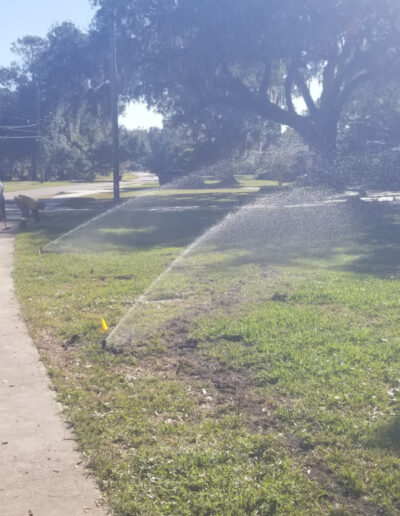
When it comes to maintaining a lush and healthy landscape, proper irrigation is essential. Whether you're considering yard sprinkler installation or want to optimize your existing system, understanding the nuances of residential irrigation is key. This irrigation installation article offers expert tips for successful residential irrigation installation, guiding you through the process with valuable insights and practical advice.
Understanding Your Irrigation Needs
Assessing Your Landscape Requirements
Before diving into the installation process, it's vital to evaluate your landscape's specific needs. Different plants have varying water requirements; thus, understanding these can significantly impact the efficiency of your system. Consider factors such as:
- Plant Types: Are you watering drought-resistant plants or tropical species? Soil Type: Sandy soils drain quickly, while clay retains moisture. Sun Exposure: Sun-drenched areas may need more frequent watering than shaded spots.
By carrying out a thorough assessment of these elements, you can make informed decisions about the type of irrigation system that will best suit your yard.
Calculating Water Needs
Once you've assessed your landscape, calculating your water needs becomes crucial. A simple formula can help you determine how much water each section of your yard requires:
Measure the area (in square feet) to be irrigated. Determine how much water (in inches) that specific area needs per week. Convert inches of water to gallons using the conversion factor (1 inch over 1 square foot equals approximately 0.623 gallons).This calculation will guide you in selecting appropriate watering times and frequencies, thereby optimizing your irrigation system's performance.
Choosing the Right Irrigation System
Types of Residential Irrigation Systems
There are several options when it comes to residential irrigation services. Here’s a brief overview of some popular systems:
- Sprinkler Systems: Ideal for larger lawns and gardens; they provide even coverage across wide areas. Drip Irrigation: Best for flower beds and vegetable gardens; drip systems deliver water directly to the root zone. Soaker Hoses: Useful for small gardens; these hoses seep water along their length.
Each system has its advantages and disadvantages; a professional evaluation from local sprinkler companies can help pinpoint which option aligns best with your gardening goals.
Selecting Components Wisely
The quality and type of components used in an irrigation system will greatly influence its effectiveness and longevity. Invest in high-quality materials from reputable brands like Rain Bird. Consider components such as:
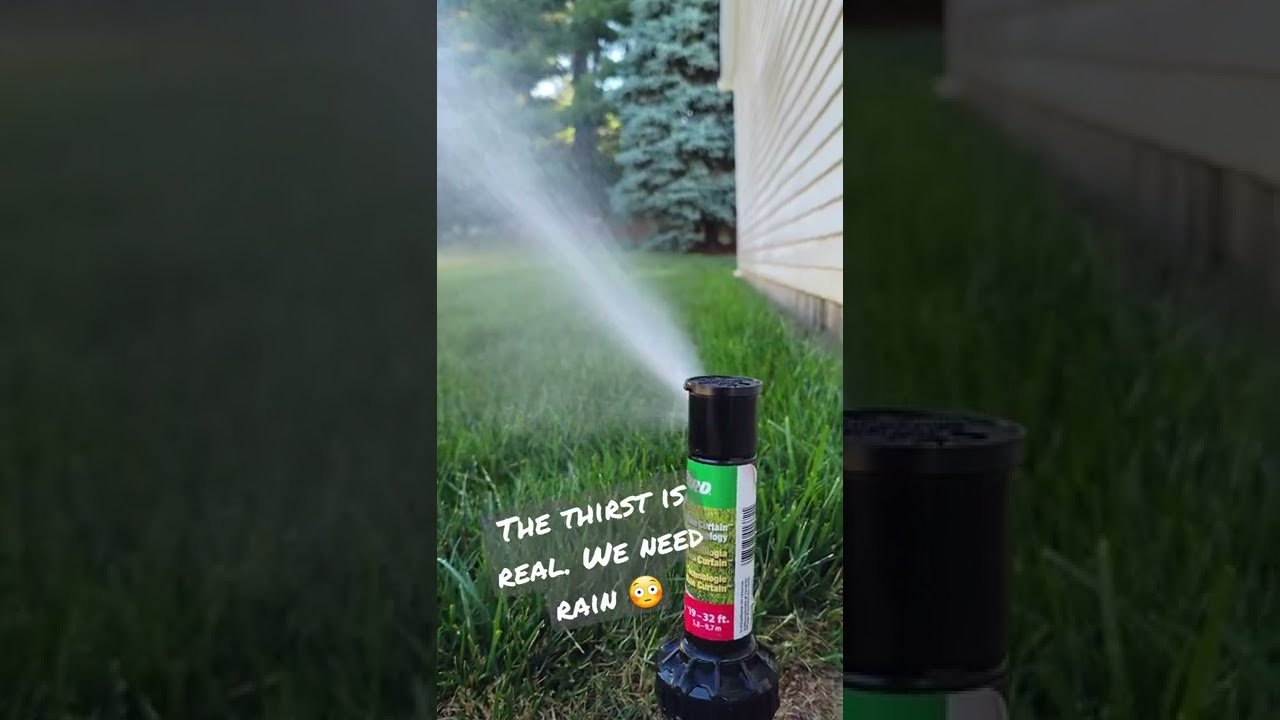
- Valves: Ensure they are durable and weather-resistant. Controllers: Opt for smart controllers that adjust watering schedules based on weather conditions. Sprinkler Heads: Choose adjustable heads for varied coverage.
Purchasing from trusted suppliers or consulting with sprinkler irrigation companies can lead to better long-term results.
Installation Process Made Easy
Preparing Your Site
Preparation is half the battle when it comes to successful lawn irrigation system installation. Here are key steps to take before installing:
Mark utility lines: Always check for underground utility lines before digging. Clear debris: Remove any rocks, branches, or other obstacles from the area where you plan to install.These steps ensure a safer and more efficient installation process.
DIY vs Professional Installation
While some homeowners might be tempted to attempt DIY installations, hiring irrigation specialists can save time and prevent costly mistakes. However, if you're determined to undertake this project yourself, consider following these guidelines:
- Follow manufacturer instructions meticulously. Use proper tools for digging trenches and connecting pipes. Test each component before finalizing installations.
Ultimately, investing in professional services from reputable lawn sprinkler contractors ensures that everything is set up correctly and functions optimally right from the start.
Maintaining Your Irrigation System
Regular Inspections Are Key
Maintenance is crucial once your residential sprinkler system installation is complete. Schedule regular inspections—ideally twice a year—to http://clear-water-irrigation-and-drainage-101.theglensecret.com/why-st-augustine-residents-trust-these-irrigation-companies-with-their-lawns check for leaks, clogs, or broken components. Early detection can save both water and money over time.
Seasonal Adjustments
As seasons change, so do watering needs! Adjust timers accordingly:
- In spring/summer: Increase watering frequency during hot months. In fall/winter: Reduce watering as temperatures drop.
Keeping track of seasonal adjustments not only conserves water but also promotes healthier plant growth.
FAQs About Residential Irrigation Installation
What types of systems do residential irrigation companies offer?
Residential irrigation companies typically offer various systems including sprinkler systems, drip irrigation systems, soaker hoses, and smart controllers tailored for specific landscaping needs.
How often should I run my sprinklers?
It generally depends on climate conditions but aim for 1 inch of water per week—this includes rainfall! Adjust according to soil type and plant requirements.
Can I install an underground sprinkler system myself?
Yes! However, it's advisable to hire professionals if you're unsure about local codes or utility line locations—it can save you headaches down the road!
What should I look for in lawn irrigation contractors?
Look for licensed professionals with good reviews and experience in installing systems similar to what you need—they should also provide warranties on their work!
How do I know if my sprinkler system is working efficiently?
Monitor your lawn’s health! Uneven growth or yellow patches may indicate inefficient watering—observe whether all zones receive adequate coverage during operation.
Is smart technology worth it for my sprinklers?
Absolutely! Smart controllers adapt based on weather conditions, helping conserve water while ensuring optimal plant health—a win-win situation!
Conclusion
Implementing an effective residential irrigation installation doesn't have to be daunting if approached methodically with expert tips in mind. From assessing landscape needs to choosing appropriate systems and maintaining them effectively afterward—you'll foster a thriving garden environment while conserving precious resources like water! With reliable guidance from local yard sprinkler companies alongside personal diligence in upkeep—you'll soon enjoy a flourishing outdoor space all year round!